To Age Wine in Fr Oak, or American Oak?

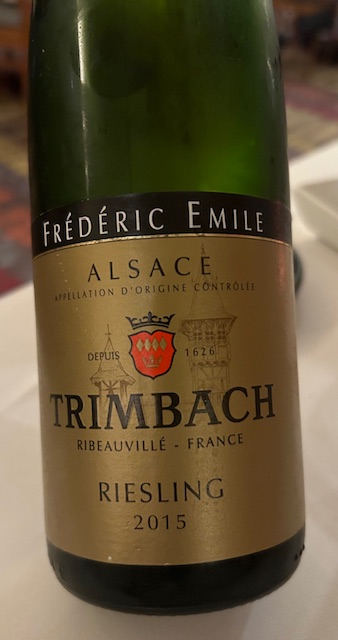
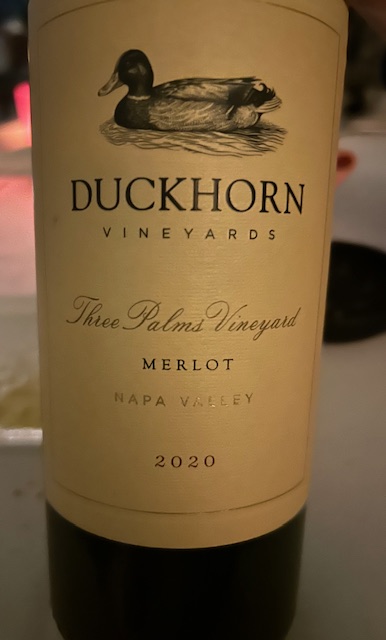
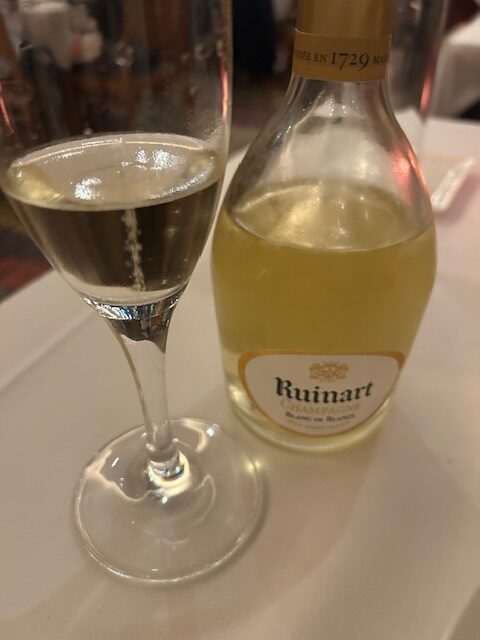
Many of the wine descriptions that I include in my wine tastings make note of a wine being aged in oak.  And sometimes there is this added detail: French oak or American oak.  For my part, I try to convey that a winemaker’s choice of oak is likened to a chef’s choice of a spice.  And, for example, it’s not just a matter of quantity of pepper to use, but what type of pepper.  Green peppercorn? White peppercorn? And chefs are sensitive to the nuances that each type will bring to the recipe in play.  So, too, the winemaker making a specific choice in oak.

I came across an excellent article delving into the importance of oak choice in producing the wines we love. I am including it below.  Yes, it’s a bit long. Please study it carefully.  I will ask questions at the next tasting you attend.  And you will be graded.

***

 French Oak v. American Oak. Which barrel makes wine taste better?

Oak barrels have been associated with transporting and aging wine for thousands of years, but for all their ubiquity, not all oak is the same. In fact, the choice of barrel, depending on how long a wine is intended to age in it, can have a massive effect on the final character of wine that ends up in the bottle.

Oak trees grow across a wide swath of the planet, but in winemaking, the two most important sources of the wood are France and the United States. There are significant differences between them, and the ways in which they impact the wine in your glass are many and potentially profound.

“Broadly speaking, winemakers often choose American oak for its bold, toasty impact, richness, and sweeter aromatics, while French oak is preferred for its elegant framing of wine, fine tannins, and respect for varietal expression,” says Nicholas Keeler, North American sales manager for Tonnellerie Allary and owner and winemaker for Authentique Wine Cellars, The Corridor, and Leisure wines in Oregon.

“But within those generalizations lies an entire universe of decisions: cooperage house style, forest of origin, grain tightness, stave seasoning duration and microclimate, stave thickness, wood bending techniques, toasting temperature and duration, and more. Every one of those factors leaves a tangible fingerprint on the finished wine.”

Bruce Devlin, winemaker at Ballentine Vineyards in Napa Valley, agrees. “I believe that tight grain and loose grain are where the differences truly commence, with loose grain contributing more tannins and tight grain focusing more on aromatics,” he says. “The forest has a definite impact, as does the cooper.”

Like in grape sourcing, where the wood comes from and the terroir in which it’s grown has an impact on the final product. “Much like grapes, [trees] can also express their terroir,” says Devlin. “We’ve sourced [American] oak from Pennsylvania, Virginia, and Minnesota. Our French oak has come from all over France, from Vosges to Tronçais and Fontainebleau. We also use a little Hungarian oak on Chenin Blanc. I always like to say American oak is big, bold, and brash; French oak is smoother, more subtle, and luxurious in most cases.”

What makes American oak so special?

“When we talk about oak in winemaking, it’s essential to recognize that not all oak is created equal,” says Keeler. “While several species are broadly referred to as ‘American White Oak,’ Quercus alba is by far the most prevalent species used for wine barrels in the United States.” 

That species has a significant economic advantage, says Keeler, noting that it “can be quarter-sawn without risking leakage, allowing coopers to yield nearly twice as many rough staves from a single log compared to French oak.”

That difference in the volume of stave production helps make American-oak barrels generally much less expensive than their French counterparts. And when a winery is aging their reds and whites in dozens or even hundreds of oak barrels each year, the impact on the bottom line can be significant.

American oak also brings a unique set of aromas and flavors to wine, depending on how it’s been toasted or charred. 

“American oak is a denser, looser grained, and heavier wood compared to French oak,” says Laura Oskwarek, winemaker for Silver Oak in Napa Valley. “American oak is less tannic, and the aromatic profiles vary significantly with American oak having higher levels of lactones and vanillin. This has the potential to impart more sweet coconut and vanilla aromas in the wine … We find that American oak contributes a creamy, plusher style to the palate.”

What makes French oak so special?

French oak barrels are typically crafted from two different species of oak, Quercus robur, or English oak,and Quercus petraea, also known as sessile oakUnlike American oak, French staves must be carefully split along the grain in order to ensure they remain liquid-tight. This adds to the cost, which is one reason why French oak barrels tend to be so expensive.

For winemakers who are looking for the character imparted by French oak, there is little to compare. “French oak offers a very different expression,” says Keeler. “Higher tannin content, greater respect for fruit character, and a more structural approach to [aging in the barrel].”

Of course, just like with wine grapes, the microclimate and terroir of where an oak tree has grown will have an impact on its final character. This is why many top cooperages offer barrels crafted from wood sourced from a range of forests.

“In my experience selling barrels and working closely with winemakers, the character of specific forest origins cannot be denied,” says Keeler. “For instance, at Tonnellerie Allary—a cooperage I know intimately—a Chardonnay aged in Vosges oak will show darker notes, whereas the same wine aged in Allier oak will preserve more purity of fruit. Tronçais oak, famed for its fine grain and elegant power, offers a noble richness. Of course, not every winemaker wants or needs to dive that deeply into forest nuance; many prefer to rely on a trusted cooper to deliver a house style aligned with their goals, which is equally valid.”

Ballentine’s Devlin observes that more patience may be required for French oak characteristics to be best integrated into a wine. “French oak arrives swiftly for a brief impact, then requires time to work into and with the wine…[it] has a bit more allure,” he says.

Why a winemaker might choose one over the other

The ultimate character of the wine in your glass is typically a result of the place where the grapes were grown, the ways in which they were farmed, when they were picked, the weather of the vintage, and countless decisions made by the winemaker once the fruit has been harvested. The choice of whether to age a wine in barrel at all—and what type of barrel to use—is one of the final opportunities that a winemaker will have to control the nature of the wine before bottling.

In other words, the choice of barrel is of immense importance.

“There are so many choices a winemaker or producer must make to achieve the style of wine they are trying to create,” says Oskwarek. “The decisions surrounding barrel type are very important. We like American oak because it is a pillar of our brand, and we find that it supports the red fruit expression in our Cabernet Sauvignons while also adding plushness and structure.”

Devlin, on the other hand, focuses more on French oak at Ballentine Vineyards—though he also has a place for the use of American oak. 

“It’s really about wine style,” he says. “What we are doing is using all French oak for the Bordeaux varieties, and we only use minimal amounts of American oak for Zinfandel. Some varieties hold more oak, while others require less, as they stand on their own and lose too much of their character to the oak. American oak … has a big impact; it’s the loud guy in the room making sure you know he’s there. French oak is like the guy at the bar who holds the room without saying a word.”

As with so much else in the world of wine, choosing French or American oak is a remarkably complex decision, and one whose impacts can go a long way toward shaping the very nature of a specific red or white. The benefits of both are clear, albeit significantly different.

Posted in Wine | Leave a comment

Victoria & Albert’s February 5, 2026

Long before I became directly involved in the wine business, I was smitten with the idea of enjoying specific wines with different foods.  And as a natural extension it only seemed right that different food courses should have designated wines meant to pair with each dish.  Circa 1980 I was treated to a dinner that put this wine in concert with food courses into full play.  The restaurant was Cellar in the Sky. It was the small interior space of Windows on the World that lacked the amazing views — views that stretched from the Azores in this window to Grosse Pointe in that window, but made up for this lack of view with a fabulous prix fixe menu paired with wines.  To begin, Windows’ somm Kevin Zraly picked five wines, and then the Chef de Cuisine created a menu to blend.  It elevated dinner to dinning.  I was on the 107th floor of the World Trade Center’s North Tower, not quite heaven; but in heaven.

Then it became my turn.  In 1999 I entered the business side of wine.  And between 2001 and 2003 I hosted 200+ wine dinners across the State of Connecticut.  I worked with some wonderful chefs & restaurateurs.  I would outline in template what I was looking for in courses, then once the menu was established I set out to pair wines with each of the courses.  I loved the challenge and the joy in selecting a wine that would just sing with a food course.  There is so much, much more than red wine with meat and white wine with fish.  Sometimes I miss it.  But my thinking was that if I didn’t tumble occasionally I wasn’t trying hard enough.

We arrive at Victoria & Albert’s on February 5, 2026. V&A is located in the Grand Floridian Resort in WDW.  It is a 5 Diamond rated Restaurant in the AAA Guide, and a year ago it was awarded a Star from Guide Michelin. Eight courses (nine if you include the bread service) with wine.  I have had the V&A on my “must do” list for my Disney week for the last half dozen years. I’ve had the cost for the dinner fully funded and set aside, but every year when I would plan the restaurants for the week I would pencil in V&A and then have second thoughts and retreat. Was it really worth the steep price tag? After an evening of superior service (including an exceptional harpist), splendid dishes & amazing wines on Feb 5 the answer was provided: Yes, worth every penny. In the Unofficial Guide to Walt Disney World 2026 the thumbnail of V&A concludes, “As long as you are OK with the price, you will never regret a meal here.”

With regard to the wine service, I only had familiarity with two producers: Tramin & Coltibuono. The others?  New territory for me.  Each wine was an exciting journey to wines not known.

With each course in perfect sync, why go thru the exercise of picking a favorite?  I do it because I like to. It makes me think and make a memory imprint.

My favorite pairing was the Tramin Gewürz with the Bluefin Tuna.  First, the Tramin was the best Gewürz I’ve had not named Zind-Humbrecht Grand Cru.  But whereas the strength of Zind can blow you away, what I loved about the Tramin was its pure elegance, the deftness of flavor that simply drifted on the palate.  The wine slid seamlessly to the tuna which was scented with lychee that sealed the deal. Outstanding. 

My favorite wine was the Rioja Reserva.  I have a soft spot for the Tempranillo based wines of Spain. 13 years from harvest, the wine was a pure show pony.  Deep shade, intoxicating scent, deeply flavored, cashmere on palate and lingering flavors that extended to the horizon.

My favorite food course was the toothfish.  That speaks volumes when both venison (my favorite) and waygu beef (miyazaki A-5) are on the menu.  But the toothfish is often referred to as the “waygu of the sea.” Great meat courses are to be expected.  Standout seafood dishes are immediately separated from the herd. Special, special course.

The Menu:

Amuse Bouche: Beef Short Rib, XO Sauce, Egg Yolk; Honeynut, Ibérico, Affinois; Ora King Salmon, Saamjang, Masago
Robert Moncuit “Les Grands Blancs” Grand Cru Côte de Blancs (Champagne, France)
Les Grands Blancs is a Grand Cru Blanc de Blancs is composed of approximately 80% Le Mesnil for tension, chalk-driven freshness, and longevity, and 20% Oger for ripeness, volume, and structural depth. The NV Extra-Brut Les Grands Blancs is a rich, vinous Champagne that shows the more extroverted side of Mesnil. Low dosage brings that out even more. Lemon confit, marzipan dried flowers, spice and chamomile add striking inner sweetness to a wine that balances power with translucent energy. The Grands Blancs is a terrific introduction to these wines. 92pts Vinous

Bluefin Tuna, Lychee, Imperial Gold Osetra
Cantina Tramin Nussbaumer Gewürztraminer ’23 (Trentino-Alto Adige, Italy)
The 2023 Gewürztraminer Nussbaumer opens with a refined blend of tropical green melon, kiwi, split pine and exotic spice. It is silken in feel with cooling acidity and a minty herbal freshness, as citrus-infused pit fruits swirl beneath an air of sweet inner florals. Long and lively, it finishes with a gentle inner tension and a resonance of candied lime. 93pts Vinous

Glacier 51 Toothfish, Lobster, Pernod
Château Simone Palette Blanc ’21 (Provence, France)
Owned by generations of the Rougier family for nearly 200 years, Simone delicately crafts their supernatural Palette Blanc from a sorcerous blend (Clairette, Grenache Blanc, Ugni Blanc, Bourboulenc, Picpoul, Muscat, Sémillon) of ancient raw material and ages it in their hand-dug 16th-century cellar far longer than most. This stunning white seduces yet stays remarkably fresh and lively through the well-meshed palate, showing acacia flower, spiced apple and warm hay notes. There’s a chamomile hint and a slightly honeyed edge to the rich palate, with impressive texture and harmony. This offers the structure and substance to age well, too. Drink now through 2030. 250 cases imported. 93pts Wine Spectator

Dover Sole, Hokkaido Scallop, Hazelnut
Nino Negri Alpi Retiche Ca’ Brione ’21 (Lombardy, Italy)
This superexotic white from the terraces of Valtallina is made from 30% Sauvignon Blanc, 30% Chardonnay, 30% Incrocio Manzoni, 10% Nebbiolo vinified white.  The Sauvignon Blanc and Chardonnay are both partially dried before vinification, giving the wine greater aromatic intensity and richness. The wine has aromas of baked peaches, roasted apples, dried alpine flowers and sweet baking spices. The palate is very lush with grilled pineapple, creamed pear, wild herbs and toasted acacia, finishing with crisp mountain acidity. 91pts Wine Enthusiast

Parisian Gnocchi, Medjool Date, Fontina
Giacomo Borgogno & Figli Langhe Nebbiolo “No Name” ’22 (Piedmont, Italy)
15 years ago Borgogno submitted two Barolo samples made the same way, aged in two separate casks, to the Barolo tasting commission. They approved one cask sample, but not the other. Borgogno was determined to share the rejected wine with the world, a wine denied of a name, hence “No Name.” Delicate yet assertive, this Langhe Nebbiolo opens with aromas of wild red plums, tart cherries, and a bouquet of dark, brooding roses, underscored by savory herbs that evoke the hills of Piedmont. The flavors echo the nose seamlessly, with a vibrant interplay of bright fruit and subtle earthiness. Fine, present tannins gently frame the wine, giving it structure without overwhelming its graceful charm. 92pts Wine Enthusiast; 92pts Wine Spectator

Venison Tenderloin, Cranberry, Juniper
Château des Graviers ’19 (Margaux, Bordeaux)
A blend of 60% Cabernet Sauvignon, 25% Merlot, 5% Cabernet Franc, 4% Malbec, 4% Petit Verdot, and 2% Carmenère. Proprietor Christophe Landryvinifies each variety and each parcel separately, adopting different vinification techniques based on the cépage, and all fermentations occur spontaneously. The wine spends 18 months mostly in 225-liter barriques (25% of which are new), with some 600-liter tonneaux, and the occasional clay jar and concrete hexagon.  Deep, vibrant ruby with a youthful edge. A complex bouquet of taut red fruits—raspberry and cherry—intertwined with earthy undertones reminiscent of river rocks. Delicate floral hints of violet and subtle herbal notes emerge, enriched by a whisper of spice and oak. The wine presents a beautifully balanced profile. There’s a mouthcoating richness that harmonizes with the lively acidity. Flavors of red berries meld with deeper notes of graphite and crushed stone, while the integration of various fermentation techniques adds layers of complexity. The finish is long and elegant, with a mineral edge that lingers, punctuated by refined tannins and a subtle touch of oak.

Miyazaki A-5, Chestnut, Bacon
Bodegas R. Lopez de Heredia Viña Bosconia Reserva ’13 (Rioja, Spain)
A blend of 80% Tempranillo, 15% Garnacha and 5% Graciano & Mazuelo  sourced from El Bosque, a 58-year-old vineyard.  The 2013 Reserva  matured in barrels for five years. Savory berries, preserved plums, iron, orange peel, dry earth, walnut husks, graphite and mussel shells. Full-bodied with depth and excellent structure. Tannins are grippy yet fine-grained and juicy, with a long, bright finish. A select, concentrated vintage. 95pts James Suckling; 93pts Wine Advocate

P’tit Basque, Raspberry, Olive Oil
Badia a Coltibuono Vin Santo del Chianti Classico ’17 (Tuscany, Italy)
The fruit is hand-picked and comes from 17-year-old vines of Monti in Chianti grown specifically for the production of the Vin Santo. Bunches are carefully selected and left to dry in well-ventilated rooms. Fermentation with wild yeast and aging takes place in small oak casks. The wine matures 7 years in cask and oak barriques. Dried fig, orange peel, caramel, walnut and brown butter aromas and flavors grace this racy and elegant Vin Santo. Tangy on the finish, where the caramel, roasted walnut and brown butter accents linger. Trebbiano and Malvasia. Drink now through 2040. 95pts Wine Spectator

Posted in Sandy's Table | Leave a comment

California Grill February 3, 2026

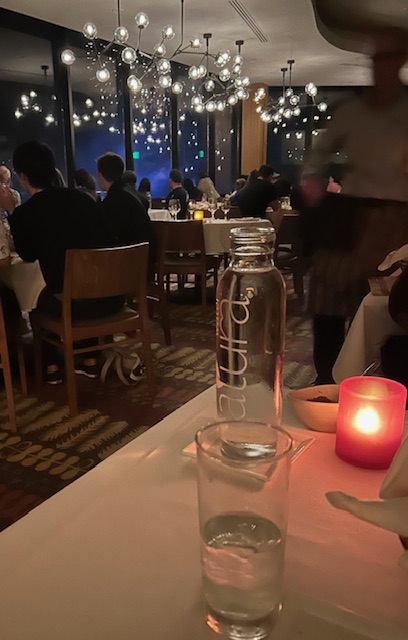
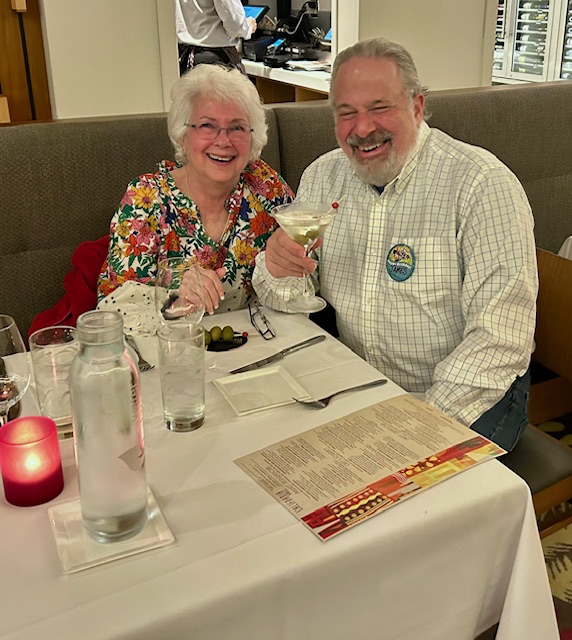
On Tuesday February 3, Sandy and I convened at the Contemporary Resort’s California Grill for my Birthday Dinner. It has become a mini-tradition.  Hold the phone!  Why Feb 3, when everyone knows that the anniversary of my birth falls on  Feb 2? Answer:  Walter doesn’t work on Sundays and Mondays.  You may ask, “Who is Walter?”  Answer: the superb server at Cali Grill who has an assembled pack of patrons who wouldn’t accept a table outside of his section. {Side note: preferred seating in the Cali Grill is a window table that offers a primo view of Disney’s nightly fireworks extravaganza over Cinderella’s Castle]. On Tuesday Walter was assigned a less favorable location. No matter, we go where Walter goes. It’s that simple. Now, to the dinner.

The Martini Course
It is with great relief that after a 2yr hiatus Tanqueray Gin has returned to the bar.  And specifically it’s Tanqueray’s flagship Gin: No. 10. In 53yrs of drinking Martini’s I can attest that Tanqueray 10 is without peer. I ordered it “up” with blue cheese stuffed olives, a bit dirty (with 3 extra olives on the side for a Sandy snack).  By the way, Cali Grill takes “dirty” seriously & Walter gave me the skinny and I have been sworn to secrecy not to reveal  its mystical essence. [for a deeper dive into my appreciation of Martini’s  http://summerofjim.com/?p=110700]

First Course: Duck Thai Curry
Smoked duck, fragrant rice, red coconut curry and Napa cabbage salad. It was a perfect blend of smoke tinged shredded duck and rare duck breast over flavorful curry sauce.  The Napa Cabbage provided a wonderful fresh crunchiness to the dish.  I loved it.  And the Merry Edwards Pinot carried the course.  Rich layering of flavor that didn’t overtake the complexity of the duck, but stood beautifully alongside.

The Wine: Merry Edwards Pinot Noir ’23 (Russian River, Sonoma County)
The 2023 Pinot Noir Russian River Valley matured for nine months in 37% new French oak. It has slowly unfurling scents of cranberry, rhubarb, Earl Grey tea leaves, forest floor and dried herbs. The full-bodied palate offers concentrated, autumnal flavors. It’s structured by fine-grained tannins and mouthwatering acidity and has a long, layered finish. 92pts Wine Advocate; 93pts James Suckling; 92pts Wine Enthusiast

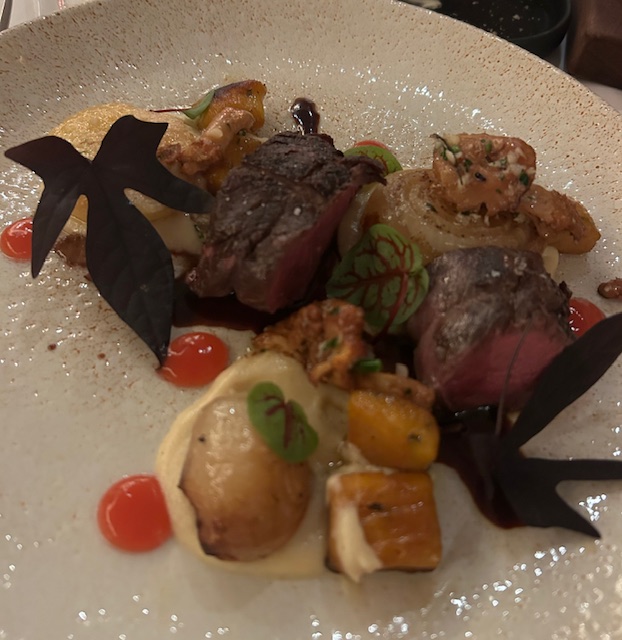
Second Course: Venison Strip Loin
Roasted beets, herbed beet gnocchi, pomegranate gel, parsnip purée and glazed baby turnips. I’ve enjoyed Venison many, many times over the years; but none can equal the pure tenderness of Cali Grill’s iteration. The lush flavor literally melts on your palate.  The veggies & sauce add a dimension of texture and taste that raises the level of the dish to extraordinary. The Groth Cab added music to this course.  Perfectly scaled, scent, texture and depth of flavor were balanced to a “T.”

The Wine: Groth Cabernet Sauvignon ’22 (Oakville, Napa)
An impressive value for an Oakville AVA Cabernet, Groth’s 2022 Cabernet Sauvignon is a bit reticent and slow out of the chute, but aeration brings out nice aromas of black cherries and subtle cedar notes. A blend of 87% Cabernet Sauvignon, 11% Merlot and 2% Petit Verdot, it’s medium- to full-bodied but streamlined and silky, showing impressive length and elegance for the vintage. The new-oak component comes in at 45%, imparting just enough structure to ensure a decade’s worth of drinkability. 92pts Wine Advocate;
92pts James Suckling; 95pts Decanter

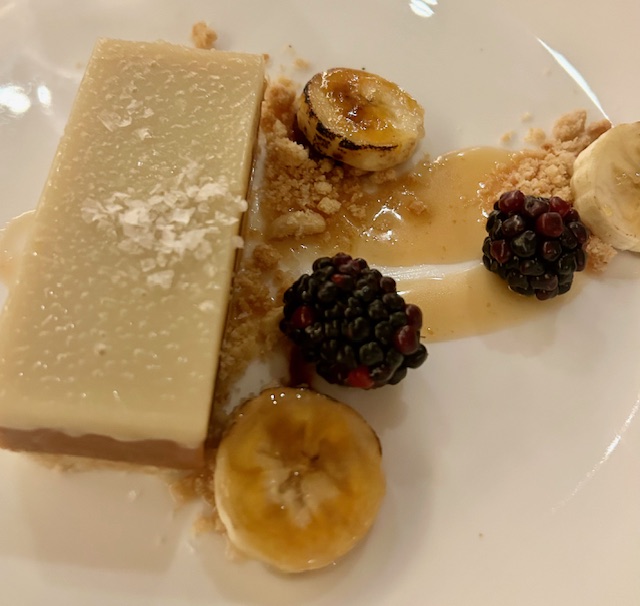
Third Course: Flourless Chocolate-Espresso Cake
Spiced chocolate crémeux, ancho chile-caramel sauce and candied nut crumble. I’m not a huge fan of chocolate; but I am fond of flourless chocolate cake which I find less sweet and if it had been my choice I would have wedded this dessert to a cocoa dusted Cali Cab.  I found the Tokaji was misplaced alongside this dish.  I thought the wine would have been better with any of the other dessert options on the menu. The wine itself was glorious, and in my opinion the best of the 3 wines served. Long before Ch. d’Yquem and the wines of Sauternes earned their fame, the wines of Tokajiwere recognized by European royalty as the bees’ knees for sweet (dessert) wine. There is one wine for chocolate based desserts that I love: Late Harvest Monastrell (Mourvèdre) from Spain.

Royal Tokaji Aszú 5 Puttonyos ’18 (Tokaji, Hungary)
Bright and beautiful, this harmonious version integrates mouthwatering acidity with a rich range of pureed apricot, dried raspberry and orange marmalade, with hints of praline, crystallized honey and sea salt. There’s a plushness to the texture without being weighty; this is long and expressive on the finish. Furmint and Hárslevelü. Drink now through 2038. 93pts Wine Spectator; #66 Top 100 Wines

Posted in Sandy's Table | Leave a comment

A Perfect Stocking Stuffer

Hawaii, islands of enchantment and natural beauty.  It is also the location of the largest mountain on earth when measured from base to peak: Mauna Kea. And perhaps more interesting, Hawaii is also home to Kilauea, an active volcano, and a prime tourist destination.  In between eruptions (the most recent in September of 2024} the volcano regularly dispenses a noxious blend of sulfur dioxide (match stick) and hydrogen dioxide (rotten eggs) from its “digestive tract.” Step near and the nose hairs in your nostrils will curl.

This gaseous blend is a “tell” that the volcano is ready to blow.  Turn back the pages of the calendar to 79 CE and eavesdrop on what’s happening in Pompeii’s forum. A small group of citizens gathered and schmoozed amiably, when the conversation was interrupted, “OK, who cut one?”  Oh, yes dear Romans, time to pack your belongings!

It’s not different today.  Step into a crowded wood-panel lined elevator in Saks Fifth Avenue when Margery Thompson-Allen squeezes in. After the door shuts and the elevator begins its ascent the effects of her lunch, which included a Cosmo, a fried pork schnitzel and side of garbanzo beans & broccoli in a cheese sauce, finally kicks in.  Aren’t you lucky!   Sharing a packed elevator with a human Vesuvius! Perhaps it is a revelation that ladies, and even ladies who dwell on the Upper East Side, can produce world class farts.

Maybe it was being trapped in an elevator inches from “ground zero” that prompted a chemist from Pfizer to see if there was a remedy that could be created.  It probably took a bit of time before the idea of taking on the fart, as it was known in the early days, to gain traction.  But it did within the R&D team at Preparation H (owned by Pfizer). The suppository section sought help from Europe’s preeminent perfume house, Givaudan in Vernier, Switzerland to help devise a masking scent that could be employed in suppositories to overcome the hydrogen dioxide (rotten eggs) scent.

After several test trials with the Yankee Candle Company, “Scent Solutions” is ready for a full product roll-out. The Floor Manager at Yankee Candle’s flagship location in Deerfield, MA has noted the early success of the suppositories available in their most popular fragrances:  Balsam & Cedar, Sage & Citrus and Bahama Breeze.  Their in-store signage features an image of a pine forest and text, “Break Wind with Confidence. The Perfect Stocking Stuffer!”

BREAKING NEWS: Preparation H is in negotiation with Nina Ricci to add “L’Air du Temps” to the Scent Solutions fragrance line. Won’t Mrs. Thompson-Allen be a happy camper!

Posted in Life | Leave a comment